From NASA to Your Recliner Chair: The Science of Zero Gravity Body Posture
Disclosure, Disclaimer & Methodology:
Last Updated: 2026-02-24
- Affiliate Notice: This post contains affiliate links. As an Amazon Associate, I earn from qualifying purchases made through links in this article at no extra cost to you.
“Amazon and the Amazon logo are trademarks of Amazon.com, Inc. or its affiliates.” - Not Medical Advice: This content does not constitute medical advice; always consult a healthcare professional regarding any health conditions before making a purchase.
- Product Information & Price Accuracy: The product specifications and prices may not be accurate. Please verify the final details and current price before making a purchase.
- Research Methodology: These recommendations of products are brought to you after they are tried out, or they already have positive reviews and ratings.
- AI Images: Generated by google AI and edited by yekhareedo.in
NASA scientists have been grappling with a fundamental problem: how do you keep a human body comfortable and functional when the floor, the chair, and even gravity itself disappear?
The Discovery of The Neutral Body Posture (NBP)
In the early days of the Space Shuttle program, researchers discovered that when the body is truly relaxed in microgravity, it doesn’t sit upright or lie flat. Instead, it naturally tucks into a specific, slightly crouched posture.
This discovery—the Neutral Body Posture (NBP) discovered by NASA—has since migrated from the flight deck of the Endeavour to the modern ergonomic and recliner chairs.

Without the constant downward pull of Earth’s 1G environment, the musculoskeletal system seeks a point of least resistance.
The Neutral Body Posture (NBP) is characterized by:
- A 128-degree angle between the torso and thighs (compared to the traditional 90-degree office chair “L” shape).
- Slightly bent knees and angled ankles.
- Elevated arms with the elbows positioned at a specific distance from the ribcage.
This isn’t just a “space look.” It is the physical manifestation of minimal muscle tension. In this state, the heart works less to pump blood, the spine decompresses, and the nervous system experiences reduced stress.
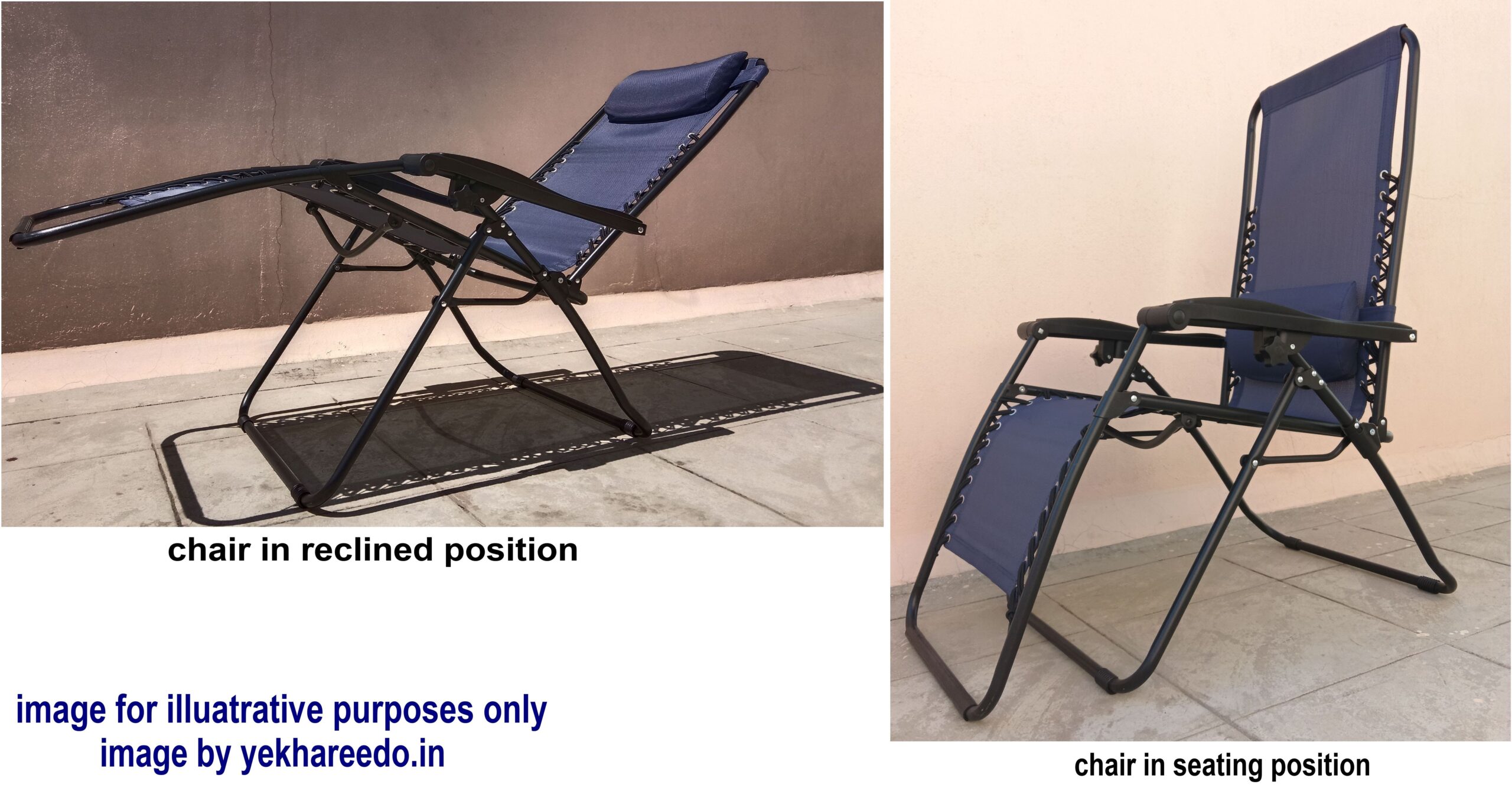
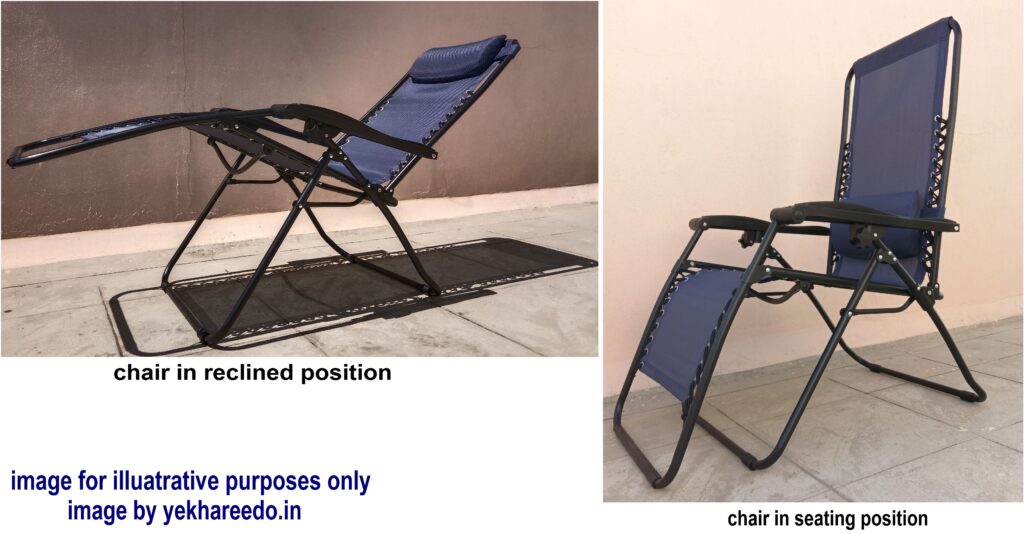
Zero gravity recliner chairs aim to restore the Natural S-Curve of the spine. By reclining the body to an angle of roughly 120 to 135 degrees, the weight of the torso is distributed across the backrest of the chair rather than being concentrated entirely on the base of the spine.
Key Physiological Benefits of Zero-Gravity Reclining Chair:
- Spinal Decompression: When you sit upright, gravity compresses your vertebrae. In a zero-gravity recline, the spaces between the discs open up, allowing for better hydration and nutrient flow to the spinal tissue.
- Improved Circulation: By elevating the knees slightly above the heart level, you assist venous return—the process of blood traveling back to the heart. This reduces the risk of swelling in the legs and varicose veins.
- Expanded Lung Capacity: Sitting at 90 degrees can compress the diaphragm. Opening the torso-to-thigh angle allows for deeper, more oxygenating breaths, which directly impacts cognitive focus.
As we move further away from traditional office environments, our furniture is catching up to our anatomy. The “Zero Gravity” movement isn’t just about luxury; it’s about acknowledging that the human body wasn’t designed to sit in a 90-degree box all the time.
The goal is simple: at the end of the day, you should feel as though you’ve been floating, not fighting gravity.
References / Further Reading
- NASA (Originally published in 2020):
(https://spinoff.nasa.gov/Spinoff2020/cg_5.html) : Zero-Gravity Body Posture Influences Acupressure Massage Chair | NASA Spinoff
Further Reading
This article focuses on the Zero Gravity Body Posture.
See our complete guides for “5 Cool Products to Add to Your Work from Home Setup in India” , “Hidden ROI of a recliner chair“, or “Rankok Fabric Recliner Chair” for your specific needs.
About the Author
Pradeep Kumar is a work from home workspace enthusiast working to help professionals and students in India build a pain-free, productive home office.