The Hidden ROI of Relaxation: How a Recliner Chair Pays for Itself in Well-being
In the world of interior design, we often talk about “investment pieces.” Usually, this refers to a high-end rug or a solid oak dining table that lasts decades.
But when it comes to a recliner, the Return on Investment (ROI) isn’t just measured in the durability of the frame—it’s measured in the quality of your life.
The modern home has become a multi-functional blur. Our kitchens are offices; our bedrooms are gyms; our living rooms are chaotic hubs of kid toys and pet beds.
In this environment, the “Decompression Zone” has become a psychological necessity. A good recliner chair can fulfill this need quite well.
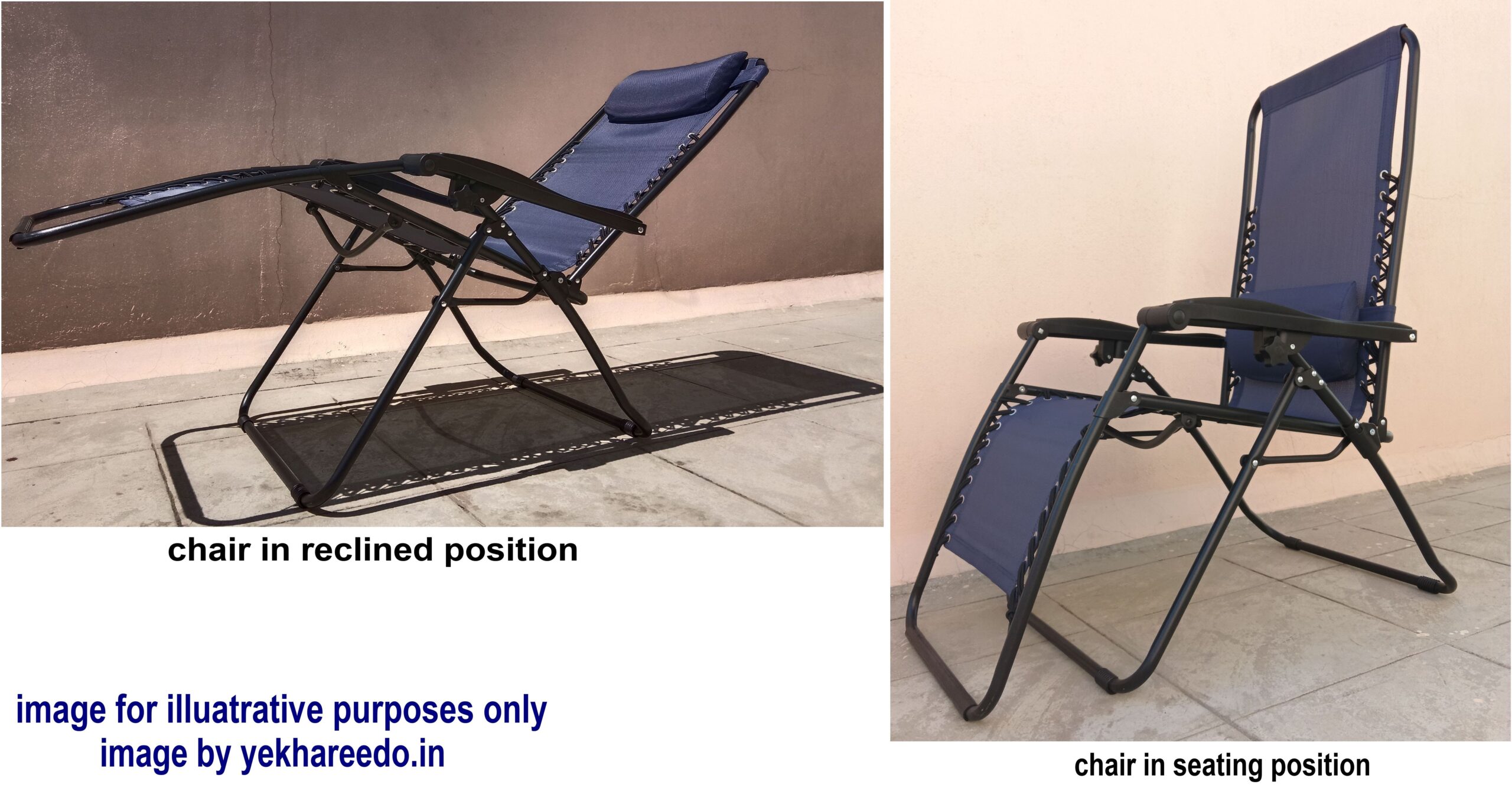
The main advantage of a good recliner is that it is able to mimic the “Zero Gravity Body Posture“ for optimum relaxation and rejuvenation.
The Physical Dividend: Ergonomics Beyond the Sofa
A Decompression Zone is a specific spot in the home intended for a single purpose: shifting from “Doing” to “Being.” While a sectional sofa is built for the groups, guests, and family movie nights, it often lacks the intimacy needed for true recovery.
Most people don’t realize that a standard sofa, while great for socializing, often fails the human spine during long periods of sitting. When you sit upright, your lower back (the lumbar region) carries the bulk of your upper body weight.
A recliner provides a “physical dividend” by distributing that weight. By shifting into a reclined position, you’re essentially giving your spine a break from gravity.
For anyone dealing with lower back tightness or neck strain, the value of a chair that actually supports the natural curve of the body is immediate. It’s the difference between waking up stiff after a movie and waking up refreshed.
A recliner is a “solo” piece of furniture. It carves out a boundary. When you sit in it, you are signaling to yourself and your household that you are currently “off the clock.”
This psychological boundary is essential for preventing burnout in an era where we are constantly connected.
Circulation and the “Heavy Leg” Tax
If you spend your day on your feet—or worse, sitting at a desk with your legs dangling—you’re likely familiar with the “heavy leg” feeling in the evening. This is caused by poor circulation and fluid pooling in the lower extremities.
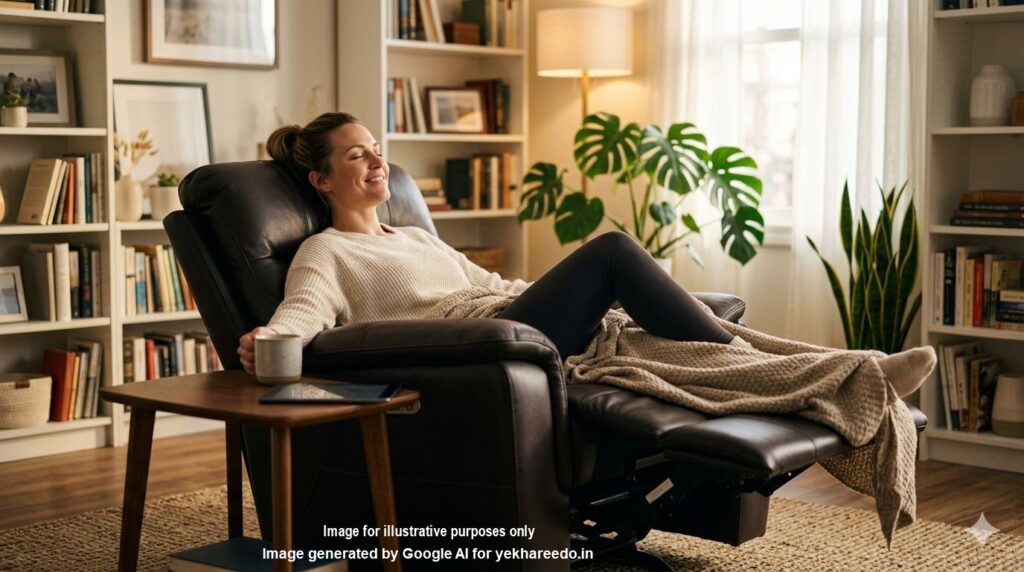
We’ve all tried to nap on a standard couch. You end up with a kink in your neck from the armrest or your legs hanging off the edge. A dedicated decompression chair is engineered for the “Power Nap.” By allowing for a near-flat or deep-angled recline, it supports the head and heels simultaneously.
Creating a zone centered around a recliner—perhaps paired with a small side table for a book and a dedicated lamp—transforms a corner of a room into a high-utility retreat. You don’t need a spare room for a “man cave” or a “she-shed” when you have a chair that provides that same level of isolation and comfort.
The ROI here is peace of mind. Elevating your legs even slightly above the level of your hips allows the heart to work more efficiently, moving blood back up through the body with less effort.
This reduces swelling and can even mitigate the long-term risks of varicose veins. When you consider the cost of compression socks or physical therapy, a well-built recliner starts looking like a very smart “health account” contribution.
The Mental Health Rebate
Stress is expensive. It costs us sleep, productivity, and often leads to “doomscrolling” on the couch because we’re too tired to truly rest. A recliner acts as a physical cue to the brain that “the workday is over.”
By settling into a personalized “zero-gravity” position, you trigger the parasympathetic nervous system—the part of your brain responsible for “rest and digest.”
Many people avoid recliners because they fear they are too bulky. However, modern “wall-hugger” designs mean you can create a Decompression Zone in even the smallest apartment. This makes the recliner a versatile tool for urban living, where a separate “relaxation room” isn’t an option.
Transitioning to Value
When you look at a space saving recliner chair, you aren’t just looking for a cheap chair. You are looking for the most efficient way to capture these health “rebates.” You want a chair that offers the right angles of inclination and durable support without the inflated price.
The key to a successful Decompression Zone is finding a chair that fits your body like a glove. In our search for the best value recliner chair, the goal is to find that sweet spot where high-end comfort meets a realistic budget, ensuring that your “zone” is relaxing.
Further Reading
This article focuses on the Hidden ROI of a Recliner Chair.
See our complete guides for “5 Cool Products to Add to Your Work from Home Setup in India”, or “Rankok Fabric Recliner Chair” for your specific needs.
About the Author
Pradeep Kumar is a work from home workspace enthusiast working to help professionals and students in India build a pain-free, productive home office.